WHO WROTE THEM
Ordinary people
The Roman Baths says the tablets are mostly from people who had suffered an injustice, asking for wrongs to be put right and for revenge.
Compare the finds tabletduels
ROMAN BRITAIN IN PLAIN ENGLISH
A lost pair of gloves. A stolen bronze vessel. A wrong to be avenged.
130 voices from Roman Bath
130 Individuals whose prayers survive
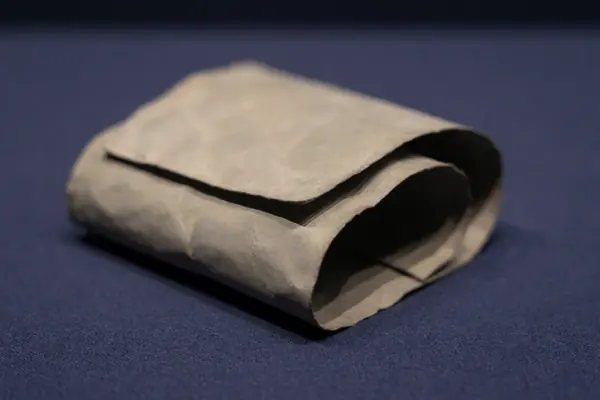
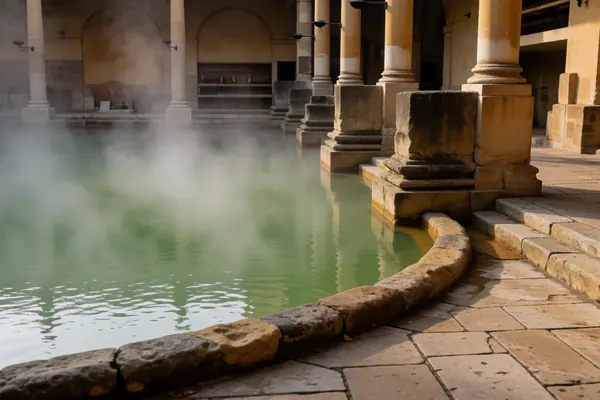
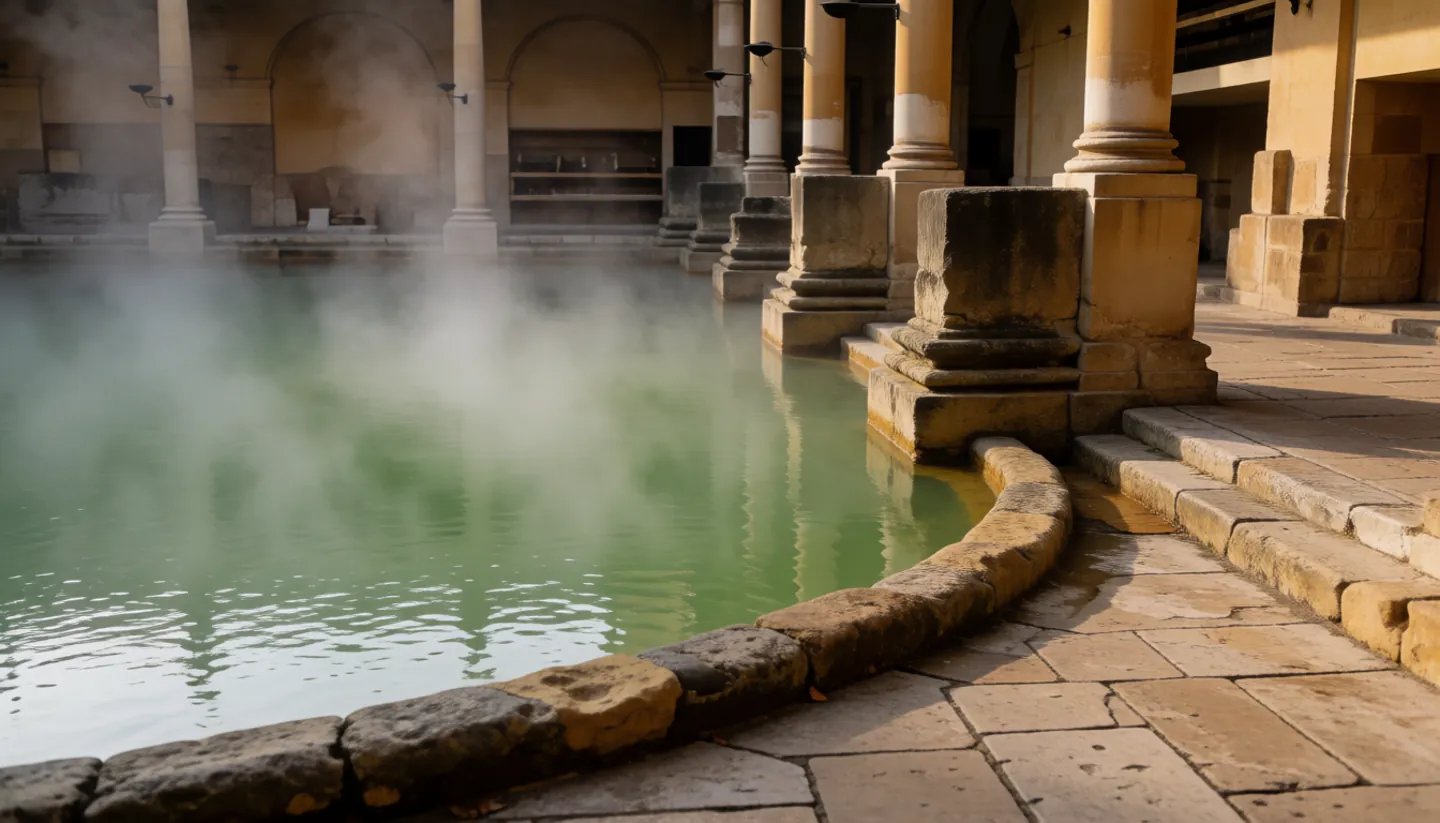
In Roman Britain, people who had been wronged sometimes wrote to the gods for justice. At Bath they scratched their pleas on small sheets of lead or pewter, rolled them up and threw them into the hot spring of the goddess Sulis Minerva. About 130 survive.
THE SHORT ANSWER
Most Bath tablets come from people who had lost something
and wanted it back, or wanted the thief punished.
WHO WROTE THEM
The Roman Baths says the tablets are mostly from people who had suffered an injustice, asking for wrongs to be put right and for revenge.
Compare the findsWHAT THEY ARE
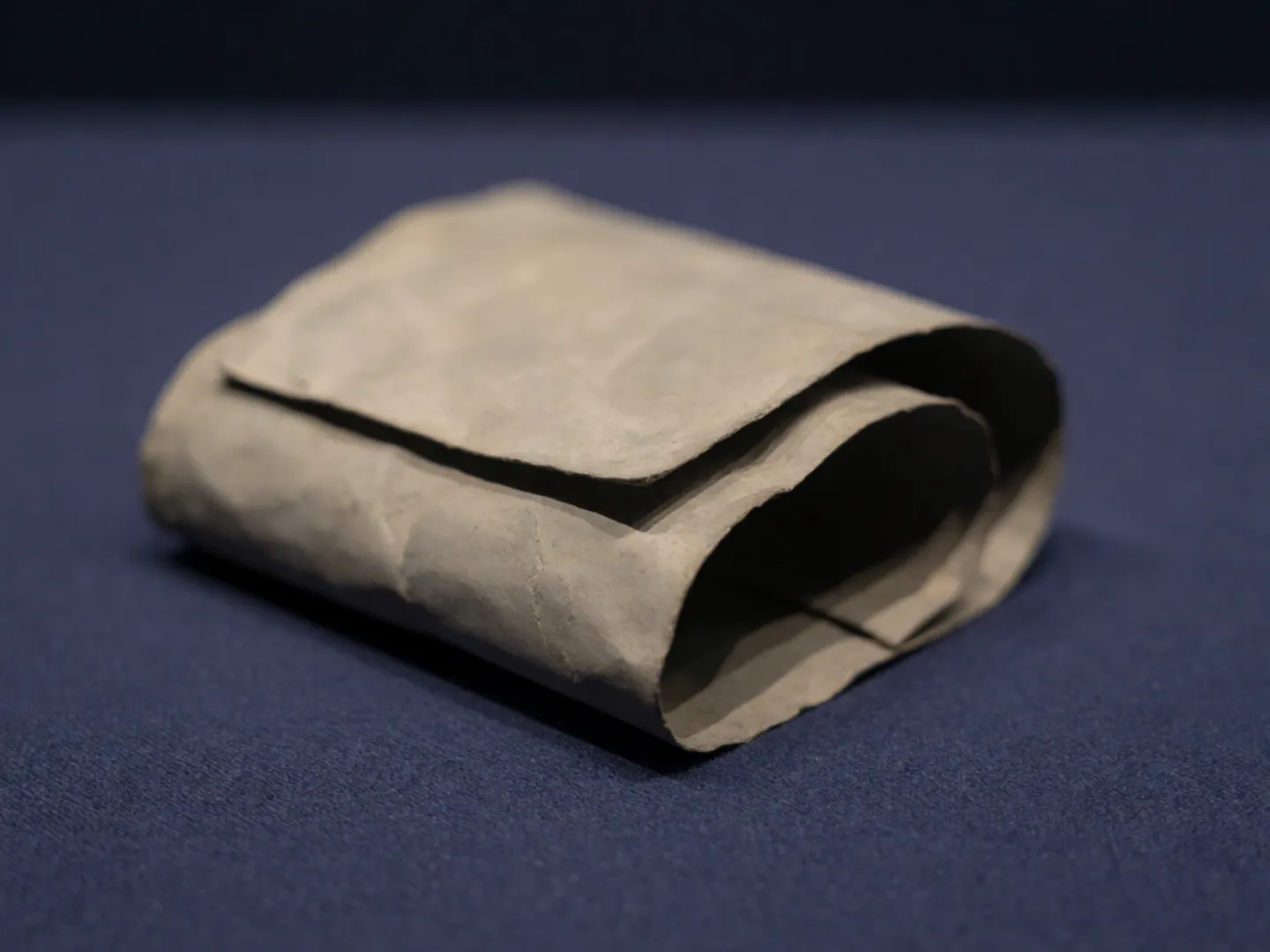
Small sheets of lead or pewter, dating from the 2nd to the late 4th century AD, scratched with a message and rolled up.
What they sayWHERE THEY WENT
They were thrown into the spring where, people believed, the spirit of the goddess Sulis Minerva dwelt.
See the numbersHOW BIG ARE THE COLLECTIONS?
Pick a site to see how many curse tablets have been found there. The bar shows the size of each collection.
Figures from Guinness World Records (2026), drawing on catalogues by Roger Tomlin, and the Roman Baths.
FOUR THINGS TO LOOK FOR
Curse tablets are hard to read and translate, but these features come up again and again.
Many name a modest everyday item that mattered to someone with few possessions.
The writer asks for the wrong to be put right, and often for the thief to be punished.
Most are in Latin; one Bath tablet is believed to be in British Celtic written in the Latin alphabet.
Tablets were rolled or folded before being deposited; some blank ones were folded the same way.
TWO NUMBERS WORTH KNOWING
One figure on how many survive at Bath,
one on how long they were written.
130
Individuals whose prayers survive
The tablets are the personal and private prayers of 130 individuals, and the earliest known surviving prayers to a deity in Britain.
THE COLLECTION · ROMAN BATHS
2nd–4th century AD
Centuries over which they were written
They are believed to range in date from the 2nd to the late 4th century AD.
DATE RANGE · ROMAN BATHS
In 2014 the tablets were inscribed on the UNESCO Memory of the World UK register, the only objects from Roman Britain to receive that listing. Some are on display in the Temple Worship area of the museum.
WHAT THEY SAY
Some tablets are very fierce. One writer seeking revenge for the theft of a bronze vessel asks that it be filled with the blood of the thief. The Roman Baths notes that the losses can seem modest to us but were very important to people with few personal possessions.
The collection has other firsts too: one tablet contains what is currently the earliest known reference to Christianity in Britain, and one is believed to be the only surviving text in British Celtic.
Questions
A small sheet of metal, usually lead or a lead alloy, inscribed with a request to the gods, often for revenge or justice, then folded or rolled and placed somewhere thought to have sacred power.
About 130, from 130 individuals, found in the Roman bath complex. More are believed to remain undiscovered.
The goddess of the hot spring at Bath. People believed her spirit dwelt in the spring, and the tablets were thrown into it.
Some are on display in the Temple Worship area of the Roman Baths museum in Bath, which holds the collection.
In 2014 they were added to the UNESCO Memory of the World UK register of outstanding documentary heritage, the only objects from Roman Britain listed, because they give an insight into the lives of ordinary people.
Updated
ABOUT THIS NAME
tabletduels.com is part of the DoodleSale portfolio. It isn't in an auction right now, but you can ask about leasing it.